

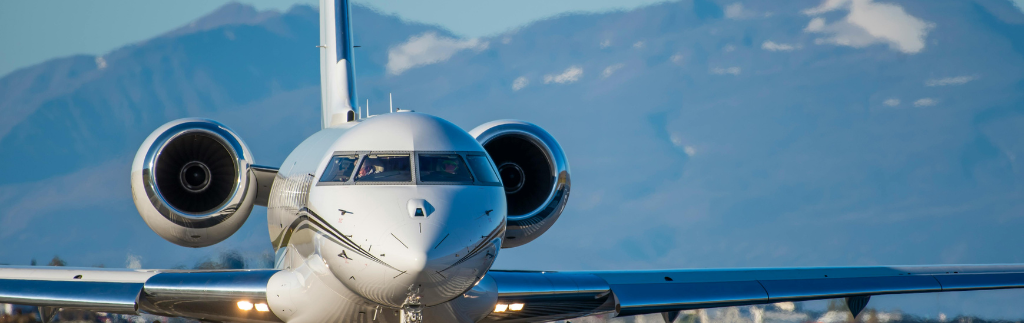
The US government has concluded its Section 232 national security investigation into imports of commercial aircraft, jet engines, and related aerospace parts. Although the Department of Commerce determined that these imports may threaten to impair US national security, no new Section 232 tariffs or import restrictions have been implemented at this time.
Instead, the President directed the Department of Commerce and the Office of the US Trade Representative (USTR) to negotiate with US trading partners to address the concerns identified during the investigation.
The proclamation establishes a 180-day negotiation period, ending January 5, 2027. If those negotiations do not produce satisfactory results, the administration retains the authority to implement Section 232 trade measures, including potential tariffs or other import restrictions.
What Is the Section 232 Aerospace Investigation?
Section 232 of the Trade Expansion Act of 1962 allows the US government to investigate whether imports threaten to impair national security. If such a determination is made, the President may impose trade measures, including tariffs or quotas.
The aerospace investigation focused on imports of commercial aircraft, jet engines, and related parts. While the investigation has concluded, the administration has chosen to pursue negotiations with trading partners before deciding whether additional trade actions are necessary.
Why Was the Aerospace Industry Reviewed?
According to the Department of Commerce, the commercial aerospace industry supports US national defense by providing aircraft that can be used for military logistics, emergency response, and the transportation of personnel and cargo.
The investigation also identified concerns related to aerospace supply chain integrity, including the risk of non-compliant or counterfeit imported parts. The report states that these issues could affect aircraft safety, maintenance, and operational readiness.
What Does This Mean for Aerospace Importers?
For now, importers of commercial aircraft, jet engines, and aerospace parts will see no changes to current duty rates, customs procedures, or import requirements.
However, businesses should continue monitoring developments during the 180-day negotiation period. If negotiations do not result in agreements that address the administration’s concerns, additional Section 232 trade measures—including new tariffs—could be considered after January 5, 2027.
Companies that rely on global aerospace supply chains may also want to evaluate potential sourcing, pricing, and customs implications should future trade measures be announced.
Key Takeaways
- No new Section 232 tariffs have been imposed on commercial aircraft, jet engines, or related aerospace parts.
- The Department of Commerce found that aerospace imports may threaten to impair US national security.
- The administration will negotiate with trading partners through January 5, 2027.
- Additional Section 232 tariffs or other trade measures remain possible if negotiations do not produce satisfactory outcomes.
- Importers should continue monitoring developments and assess potential supply chain impacts.
Mohawk Global will continue to monitor Section 232 developments and provide updates as negotiations progress. If you have questions about how potential trade actions could affect your imports, the Mohawk Global Trade Advisors team is available to help you evaluate your supply chain and customs strategy.