

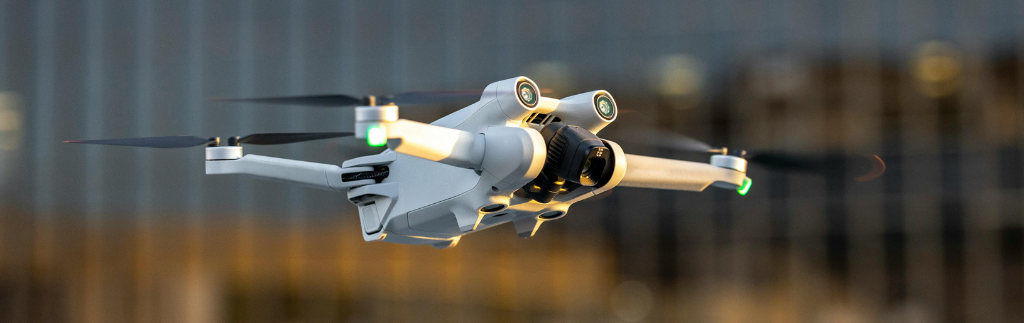
The Trump administration is imposing new Section 232 tariffs on imported unmanned aircraft systems (UAS), commonly known as drones, and certain UAS components. The tariffs are intended to address national security concerns and reduce US reliance on foreign supply chains.
President Trump signed the proclamation on August 13, 2026, with most of the new tariffs taking effect September 3, 2026.
What Are the New Drone Tariffs?
The proclamation establishes additional duties based on the type and characteristics of the imported product:
- 100% additional tariff on certain higher-risk UAS and related equipment, including some drones over 25 kilograms and drones with thermal imaging capabilities.
- 25% additional tariff on other covered UAS.
- Reduced rates may apply to qualifying products from certain US trading partners, including the EU, Japan, South Korea, Switzerland, Taiwan, Liechtenstein, and the United Kingdom.
- Certain less-sensitive UAS components have a 180-day delayed implementation period.
The applicable tariff rate will depend on the product, its specifications, country of origin, and other requirements outlined in the proclamation. With multiple rates and requirements to consider, importers should review their products and supply chains to determine the correct duty treatment.
As the Section 232 tariff landscape continues to evolve, accurate classification and country-of-origin analysis can help importers understand their potential exposure. If you have questions about how the new Section 232 drone tariffs may impact your imports, or need assistance reviewing classifications, country of origin, or tariff exposure, reach out to Mohawk Global Trade Advisors.