

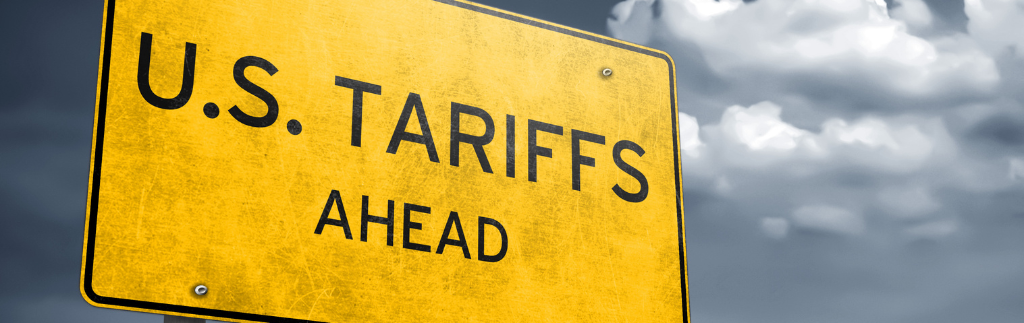
The US has imposed new Section 301 tariffs on imports from 60 economies due to findings that those countries failed to effectively prohibit goods produced with forced labor. The tariffs are effective as of 12:01 a.m. ET, July 24, 2026, replacing the temporary Section 122 tariffs that expired the previous day.
At a Glance
- New Section 301 tariffs effective July 24, 2026
- Applies to imports from 60 economies
- Rates range from 10% to 12.5%
- USMCA-qualified goods from Canada and Mexico are exempt
- Section 232 products are exempt
- New duties stack with existing Section 301 tariffs
- Section 122 tariffs expired July 23, 2026
Key Tariff Rates
Under the new measures:
- 10% Section 301 tariff applies to imports from Argentina, Bangladesh, Cambodia, Canada, Ecuador, El Salvador, Guatemala, Honduras, India, Indonesia, Jordan, Malaysia, Mexico, Pakistan, Sri Lanka, Trinidad and Tobago, and the United Kingdom.
- European Union and Taiwan: Products will be subject to a combined Most-Favored-Nation (MFN) duty plus Section 301 duty totaling 10%.
- Japan, South Korea, and Switzerland: Products will be subject to a combined MFN and Section 301 duty totaling 12.5%. If the existing MFN duty is already above 12.5%, no additional Section 301 duty applies.
- All other investigated economies are generally subject to a 12.5% Section 301 tariff, unless otherwise exempted.
Important Exemptions
- USMCA-qualifying goods imported from Canada and Mexico are exempt.
- Products already subject to Section 232 tariffs are exempt from these new Section 301 duties.
It is important to note that the new tariffs stack with existing Section 301 duties, meaning importers may owe both the existing Section 301 duties and these new forced labor-related duties when applicable.
Mohawk Global Trade Advisors can help determine whether your imports are affected by the new Section 301 tariffs, identify available exemptions, calculate duty exposure, and develop strategies to reduce tariff costs while maintaining compliance.
Additional Resource: