

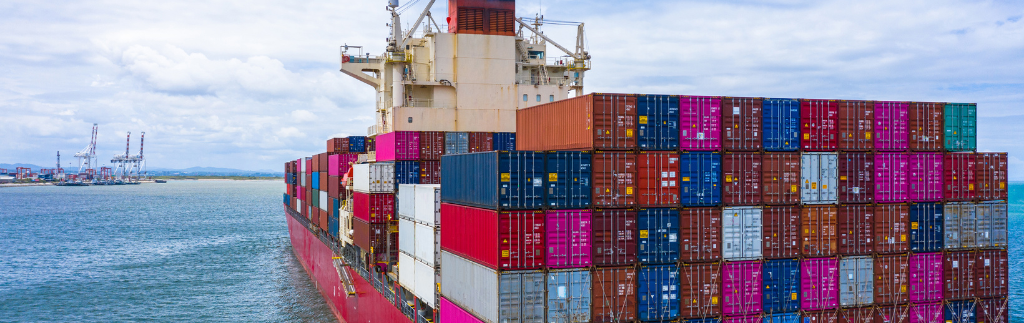
India to US shipping continues to face significant capacity constraints despite easing freight rates in other Asian markets. Strong export demand, reduced vessel capacity, carrier network changes, and monsoon-related disruptions are keeping both ocean and air freight under pressure.
Why is India–US shipping experiencing delays?
Several factors are contributing to the current market conditions:
- Reduced vessel capacity: The withdrawal of MSC’s Indus Service has removed significant capacity from West and North India, causing spot rates to climb nearly 158% above contracted levels. Even importers with annual service contracts are receiving only about 15% of their contracted space.
- Carrier network changes: Ocean Network Express (ONE) has ended its existing service and is transitioning to a new service with Hapag-Lloyd. During the transition, shippers may experience schedule changes, port rotation adjustments, equipment repositioning challenges, and reduced booking availability.
- Additional capacity reductions: CMA CGM blank sailings and Maersk’s cancellation of its MET service have further tightened available vessel space.
- Weather disruptions: Heavy monsoon rains across Mumbai and Western India continue to slow port operations, inland transportation, and container freight station (CFS) activity. Congestion at Nhava Sheva (JNPT) is extending cargo transit times throughout the region.
What does this mean for shippers?
Available vessel space is selling out almost immediately after release. Carriers have also implemented Peak Season Surcharges (PSS) and General Rate Increases (GRIs), keeping freight rates elevated despite limited availability.
The air freight market is also under pressure as more shippers shift cargo away from ocean freight. Limited airline capacity and weather disruptions have increased air freight rates, with flight delays of four to five days and door-to-airport transit times extending to 10–12 days.
How should importers prepare?
With capacity expected to remain constrained through the near term, importers should plan shipments at least three weeks in advance for both contract and spot bookings. Early planning improves the likelihood of securing equipment and vessel space while helping reduce costly supply chain delays.
India Freight Market Outlook
The India–US freight market is expected to remain challenging as carriers continue to manage capacity and demand remains strong. Businesses that forecast shipments earlier and maintain flexibility with booking windows will be better positioned to minimize disruptions.
Need help navigating the India freight market? Mohawk Global’s India and South Asia trade experts are closely monitoring market conditions and can help you build strategies to keep your supply chain moving, reach out today.