

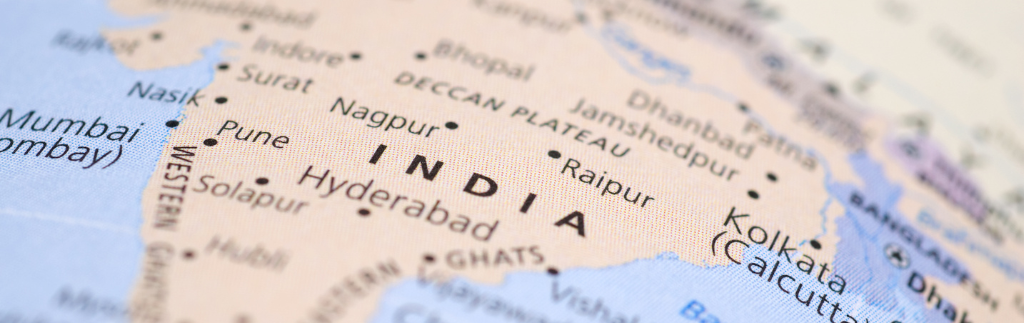
Capacity and operational challenges across West India continue to pressure supply chains, with vessel space expected to remain extremely tight through June and July.
A combination of blank sailings, reduced effective capacity, and ongoing port congestion is limiting available space across carrier networks. As a result, shippers should anticipate continued upward pressure on freight rates, including General Rate Increases (GRIs) and Peak Season Surcharges (PSS).
Adding to the challenge, MSC has withdrawn its Indus Express service connecting West India to the U.S. East Coast. The removal of this service is expected to push approximately 6,000 TEUs of cargo into the market, further tightening capacity on alternative services.
Mundra Update
Carriers are reporting increased congestion at Mundra driven by higher cargo volumes, rail bottlenecks, and strained inland transportation capacity. To help manage terminal yard utilization, Mundra has reduced its export cargo gate-in window from 14 days to 10 days before vessel departure.
Customers should be prepared for potential shipment delays and additional inland transportation costs.
Nhava Sheva Update
Conditions at Nhava Sheva have improved slightly, but operational challenges remain, particularly at BMCT.
Current issues include terminal and yard congestion, extended gate-in wait times, equipment and driver shortages, road congestion, and ongoing vessel planning challenges. These conditions continue to contribute to missed cut-offs, container rollovers, and shipment delays.
Current delays include:
- Empty container pick-up: 1–3 days
- Factory/CFS-to-port movement: 2–4 days
- Terminal gate-in processing: 24–48+ hours in some cases
- Vessel planning and cut-offs: Subject to frequent last-minute changes
While conditions are expected to gradually improve, operational disruptions are likely to continue in the near term.
Our team continues to closely monitor market conditions and work with carriers, terminals, and transportation providers to minimize disruptions and keep shipments moving. We also recommend allowing additional lead time for shipments and staying in close communication with your Mohawk Global representative regarding booking forecasts, cargo readiness, transit planning, and shipment timelines.