

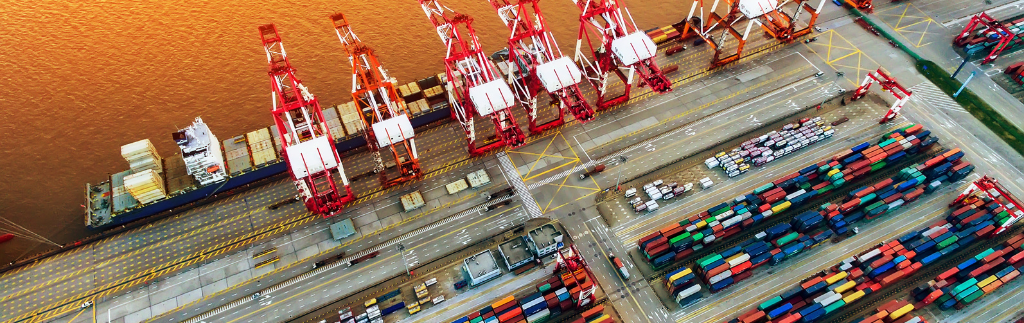
The Nhava Sheva / JNPA port area — particularly Bharat Mumbai Container Terminals (BMCT) — continues to face significant operational congestion. High container volumes, vessel schedule disruptions, road congestion, and ongoing equipment and driver shortages are all contributing to delays across the region.
These challenges are impacting export planning, container movement, and vessel schedules for shipments moving through the area.
Current Challenges
Operations at BMCT and throughout the Nhava Sheva / JNPA terminal network are currently experiencing:
- Heavy congestion at terminal entry gates, with trailers waiting several hours for gate-in
- Yard congestion disrupting normal FIFO (First In, First Out) container movement and increasing container dwell times
- More frequent shut-outs, missed vessel cut-offs, and container rollovers caused by terminal delays
- Difficulty securing vehicles for BMCT cargo movements due to extremely high turnaround times
- Delayed communication and limited coordination at the terminal level, making shipment planning more challenging
- Severe congestion on roads surrounding the terminals, further slowing cargo movement and vehicle turnaround times
In addition to terminal congestion, broader market conditions are continuing to place pressure on the supply chain.
Recent vessel diversions and terminations at Indian ports — driven in part by ongoing geopolitical tensions and disruptions in the Middle East — have added to the congestion. This has resulted in:
- Increased container buildup at port facilities
- Backlogs of transshipment and rolled-over containers occupying terminal yard space
- Continued shortages of trailer drivers, impacting empty container pick-ups, factory stuffing, and CFS-to-port transportation
- Extended road congestion near terminal areas, with wait times in some cases exceeding 24 hours
- Delays in FORM-13 and gate-in approvals due to vessel space constraints and limited planning windows
Additional Regional Impacts
In addition to the congestion impacting North and West India ports, operational pressure is also affecting South and East India export gateways, along with Bangladesh and Pakistan trade lanes that rely heavily on Colombo, Sri Lanka as a regional transshipment hub.
Increased transshipment volumes, vessel schedule disruptions, and berth planning adjustments at Colombo are contributing to delays and reduced schedule reliability across the region. Many services from South and East India, Bangladesh, and Pakistan connect via Colombo for onward movement to North America, Europe, and other global destinations, meaning disruptions at the hub are creating downstream impacts throughout the supply chain.
Current market impacts may include:
- Delayed transshipment connections
- Increased rollover risk for export containers
- Extended dwell times at transshipment terminals
- Last-minute vessel schedule and cut-off revisions
- Reduced predictability for final destination arrivals
While Colombo remains operational, carriers and terminals continue to manage elevated transshipment demand and ongoing schedule recovery measures.
Expected Operational Delays
Current market conditions are resulting in the following estimated delays:
- Empty container pick-up: Approximately 1–3 days
- Factory/CFS-to-port movement: Approximately 2–4 days
- Terminal gate-in waiting: Approximately 24–48+ hours in some cases
- Vessel planning and cut-off management: Subject to frequent last-minute changes
- Transshipment connections via Colombo: Potential delays and schedule variability depending on carrier routing and vessel recovery plans
Based on current market feedback, conditions are expected to gradually improve after mid-June, depending on terminal congestion levels, driver availability, vessel schedule stability, and transshipment recovery efforts across the region.
Our team continues to monitor the situation closely on a shipment-by-shipment basis. We recommend allowing additional lead time for shipments and staying in close communication with your Mohawk Global representative regarding booking forecasts, cargo readiness, transit planning, and shipment timelines.