

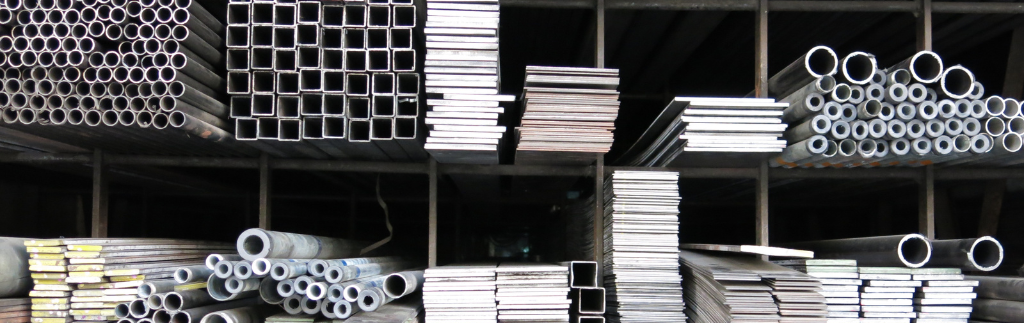
On April 2, 2026, a new presidential proclamation introduced significant updates to Section 232 tariffs on steel, aluminum, and copper articles and their derivatives. Effective April 6, 2026, these changes not only adjust tariff rates across multiple product categories, but also fundamentally reshape how duties are calculated and applied.
One of the most notable shifts is in the method of duty assessment. Under the updated framework, Section 232 tariffs will now apply to the full value of the imported good, rather than being limited to the value of the steel, aluminum, or copper content. As a result, many importers can expect a meaningful increase in overall duty exposure.
In tandem with this structural change, the proclamation introduces new tariff rates across several categories. Most steel, aluminum, and copper derivative products will now be subject to a 25% duty. Meanwhile, primary metal goods classified under Chapter 72, as well as many goods under Chapters 73, 74, and 76, will face a higher 50% duty rate. Additionally, certain derivative articles that were previously exempt will now be subject to a 10% duty. These rates are tied directly to specific HTS classifications outlined in the official annexes accompanying the proclamation.
At the same time, the proclamation establishes a country-specific distinction for imports from the United Kingdom (UK). Derivative products from the UK will be subject to a reduced 15% duty, while primary metal goods will face a 25% rate. This creates a differentiated tariff structure that may influence sourcing decisions.
Further expanding the scope of dutiable goods, the proclamation eliminates prior exemptions tied to U.S.-origin metal content. Previously, certain derivative products could avoid tariffs if their steel was “melted and poured,” or if aluminum and copper were “smelted and cast,” in the United States. With these provisions now removed, a broader range of products will fall within the scope of Section 232 duties.
Notably, the proclamation also does not reference prior exemptions under the United States-Mexico-Canada Agreement (USMCA). This omission signals a potential shift in how imports from Canada and Mexico will be treated under Section 232, and may result in additional duty exposure for goods that were previously exempt under USMCA-related measures.
In addition, certain goods listed in Annex III—including select industrial equipment and electrical grid components—will be subject to a temporary 15% tariff. This temporary measure will remain in effect from April 6, 2026 through December 31, 2027.
Important Exemptions and Removals
Despite the broader application of tariffs, the proclamation also introduces key exclusions. Most notably, products composed of 15% or less steel, aluminum, or copper will no longer be subject to Section 232 metals tariffs, providing relief for goods with minimal metal content.
Additionally, a number of products have been removed from the list of derivative articles subject to tariffs. These exclusions are detailed in Annex II and may offer further opportunities for duty mitigation, depending on product classification.
We will continue to monitor for any updates and guidance, as the enforcement date moves closer. If you have questions on how these changes may impact your business, reach out to your Mohawk Global representative.
Resources: