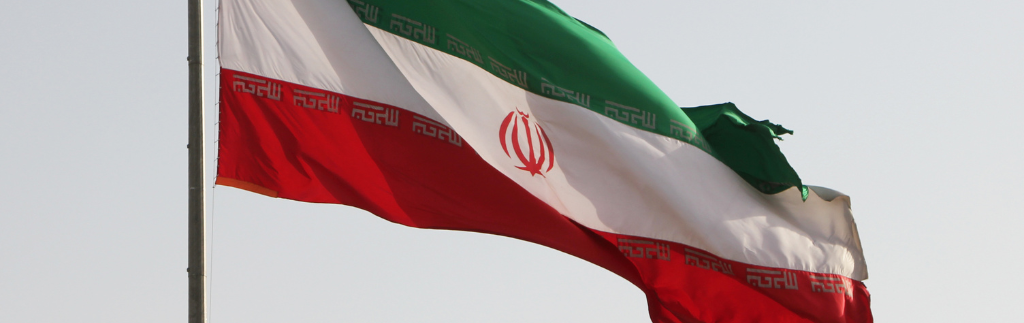
President Trump has announced a new trade policy, on Truth Social, that could have downstream effects for US importers and exporters with international supply chains.
On January 12, 2026, the administration stated that countries that continue to trade with Iran may be subject to a 25% tariff on trade with the United States. While details regarding scope and implementation have not yet been released, the announcement signals a potential shift in how trade restrictions related to Iran may be enforced.
Countries Potentially Affected
Iran maintains trade relationships with a wide range of global partners. Countries with notable trade ties to Iran include:
- China
- Turkey
- India
- EU countries
- Regional partners, including the United Arab Emirates and Iraq
US companies importing goods from these countries — even if their products have no direct connection to Iran — may want to assess potential disruptions should tariffs be applied broadly based on country-level trade activity.
What This Means for US Importers and Exporters
While the policy has not been officially published, it raises several considerations for US businesses:
- Potential cost increases if tariffs are applied to imports from affected countries
- Supply chain disruption risks, particularly for companies with limited sourcing alternatives
- Contractual exposure, including how tariffs are allocated under existing supplier and customer agreements
- Heightened compliance focus, reinforcing the importance of accurate country of origin determinations and trade documentation
Businesses should continue to comply with existing US sanctions and export control requirements while monitoring for changes.
We will continue to monitor developments and provide updates as more information becomes available.